4 hr
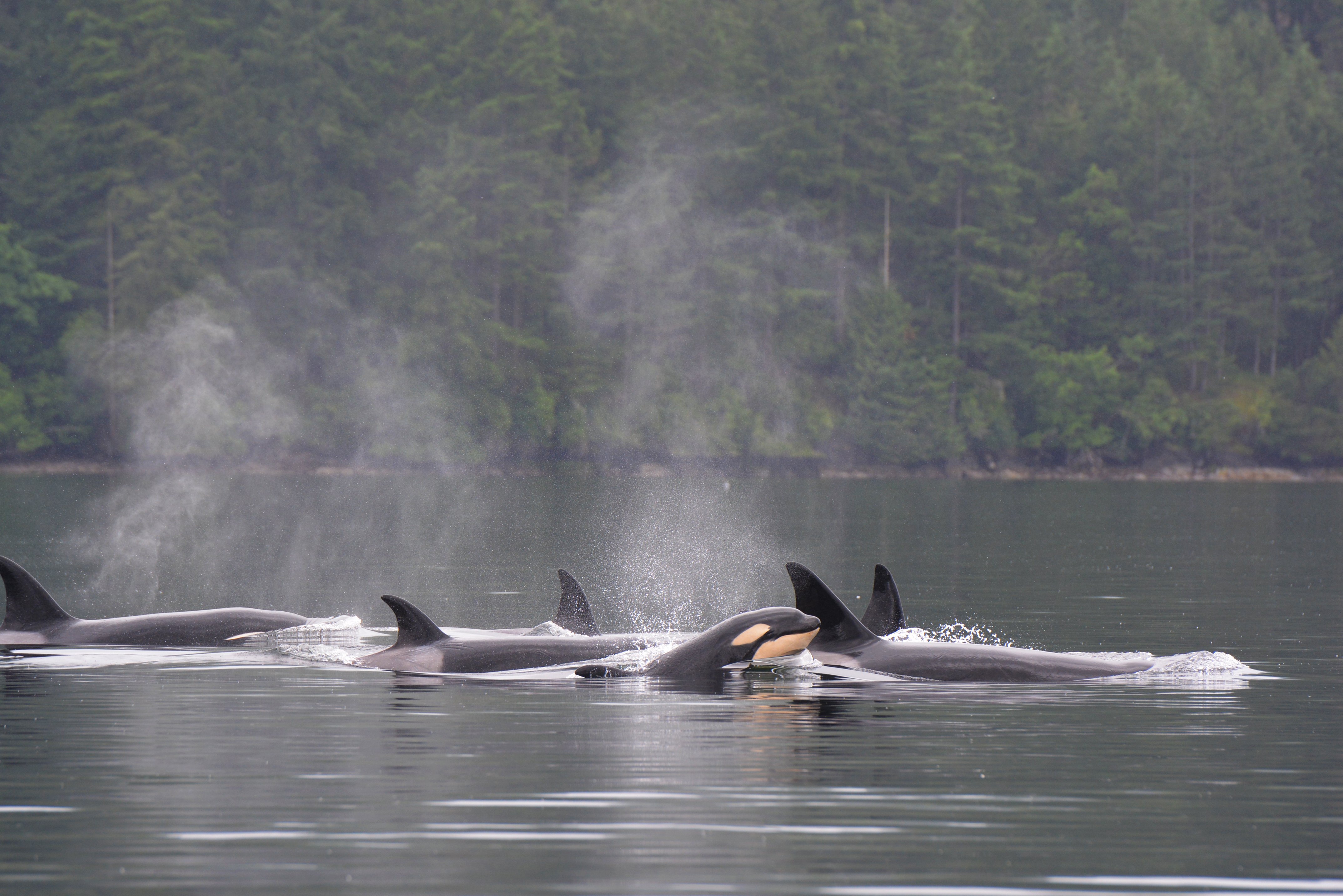
Salish Sea Whale & Wildlife Discovery Cruise
Four-hour marine expedition from Seattle's waterfront with expert naturalists and whale guarantee
Reserve
Hand-picked by our editors — only the best 3 wildlife experiences from 12 reviewed.
Verified partners for every tour, free cancellation where available, and instant confirmation on every booking.
4 hr
Four-hour marine expedition from Seattle's waterfront with expert naturalists and whale guarantee
Reserve
1 hr
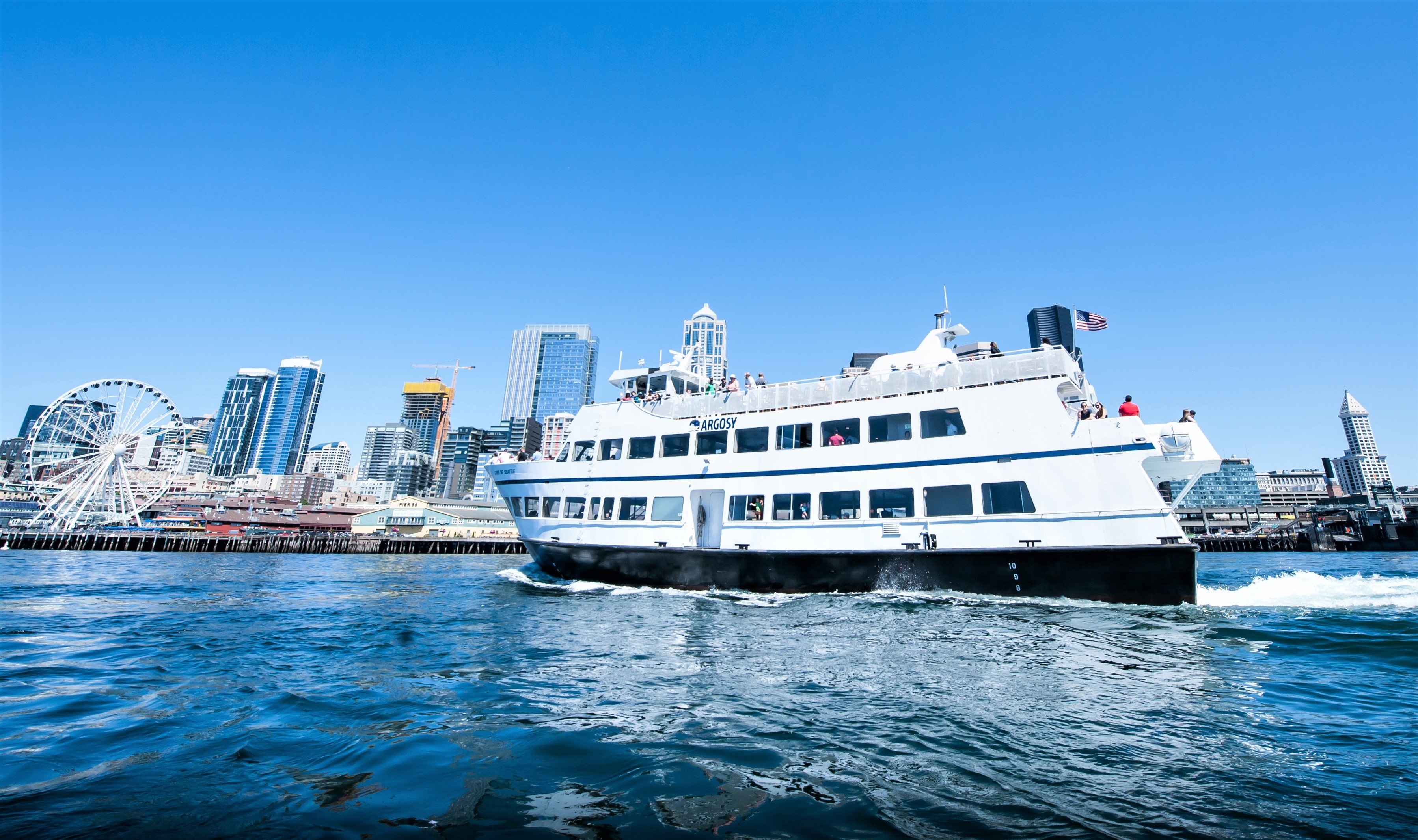
One-hour guided voyage past the Space Needle, mountain views, and the city's working waterfront
Reserve
3 hr 30 min
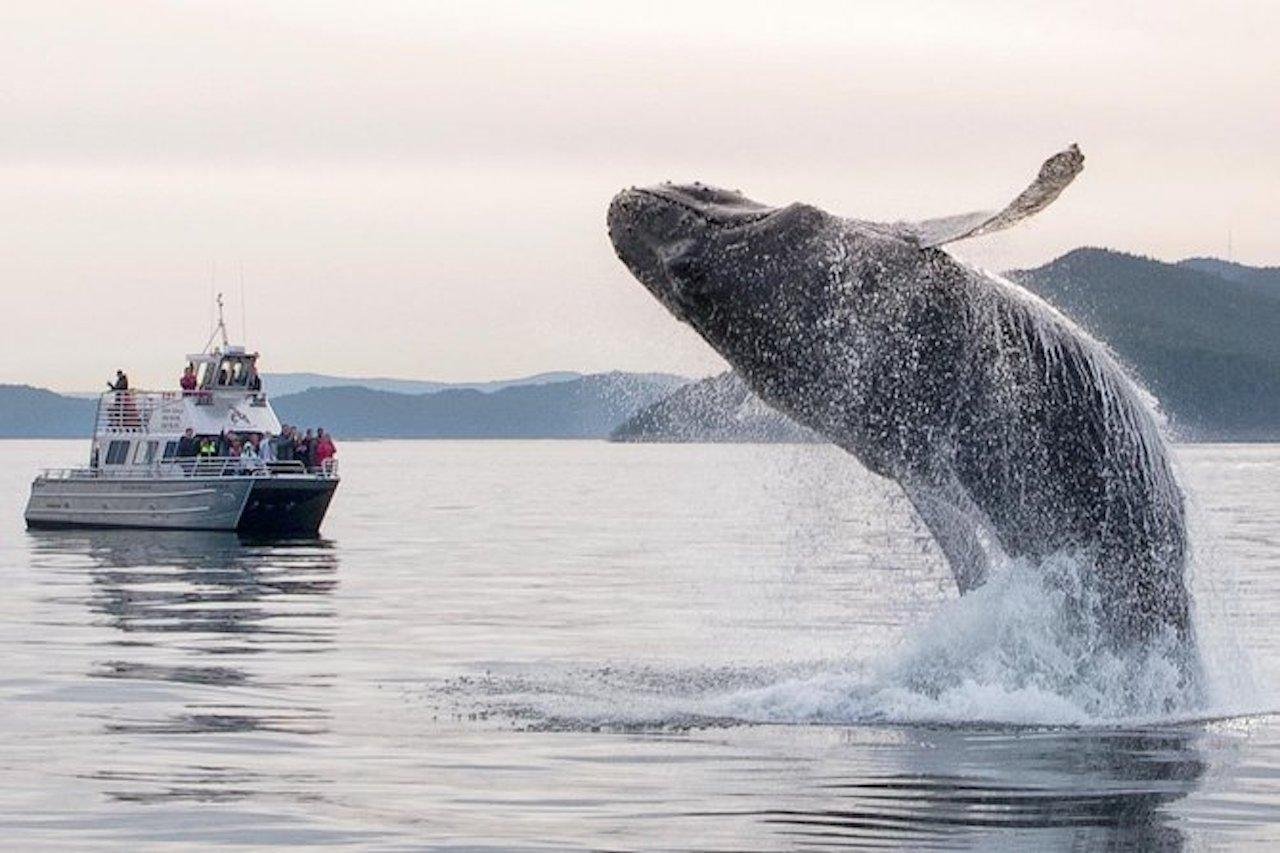
Spot orcas, humpbacks, and marine life on a high-speed voyage through the San Juan Islands
ReservePrices from verified partners. Availability updates in real time at checkout. Free cancellation policies apply where shown.
The landmarks, rooms, and views travelers on this tour remember — all visible on a single visit.
Home to a colony of roughly 30 Australian sea lions, this is a prime spot for observation and swimming encounters. It is located just a 15-minute boat ride from the harbour.
This island serves as a crucial habitat and resting site for sea lions within the protected marine park area. The shallow limestone reefs surrounding it offer excellent visibility for snorkelers.
Known for its diverse birdlife and sheltered lagoons, this area is a frequent highlight of marine tours. It is part of the broader conservation zone where wild interactions occur.
The Jurien Bay sea lion swim offers an active marine encounter, whereas Rottnest Island provides a relaxed, terrestrial wildlife experience; travelers seeking aquatic immersion should prioritize the coast, while those preferring casual walking interactions will find the quokkas more suitable.
| Feature | Top pick Jurien Bay Sea Lion Swim | Rottnest Island Quokka Encounter |
|---|---|---|
Nature of interaction |
In-water snorkeling | Land-based observation |
Primary habitat |
Ocean reef islands | Coastal scrubland |
Access method |
Boat tour | Ferry and walking |
Physical requirements |
Moderate swimming ability | Light walking |
Best time of day |
07:00–09:30 | Early morning or late afternoon |
Primary wildlife species |
Australian sea lions | Quokkas |
| See tickets → |
Verdict: Choose the jurien bay sea lion swim tours for a physical ocean adventure, or select the quokka encounter for an accessible, low-impact day trip, keeping in mind that procuring jurien bay sea lion swim tickets ensures a guided marine experience, unlike the self-guided nature of the island walk.
Choose your ticket, select your date, and reserve in under two minutes. Secure checkout handled by our verified partner.
Instant confirmation by email, with a mobile voucher you can save offline. No printing, no queuing at a collection desk.
Arrive at the entrance, show your voucher on your phone, and walk in. Most tickets include priority or skip-the-line access.
Practical details for your visit straight from our verified partners — hours, access, rules, and how to get there.
Wear swimwear under your clothes for convenience. Bring a warm jacket or jumper, as it can get chilly on the water after your swim.
Keep belongings minimal. Most operators have onboard storage for small bags, but large items should be left at your accommodation.
You are encouraged to bring an underwater camera or GoPro. Complimentary footage is provided by many operators as part of the package.
Tours are generally accessible, but guests should be able to board a vessel. Please contact your chosen operator directly to discuss specific requirements.
Children are welcome on tours. Note that children under 3 years are generally not permitted to swim, though they may attend as observers.
Light refreshments and water are typically supplied on board. You are welcome to bring extra water or light snacks for your group.
Best time to go, insider tips, nearby landmarks, and the cancellation fine print — flip through to skim what matters to you.
Flexible, no hidden fees.
No-shows incur a 100% cancellation fee. Please refer to individual operator booking conditions for further refund information.
Australian sea lions number fewer than twelve thousand individuals along the southern coastline, making them one of the rarest pinniped species in the world. The colony at Jurien Bay, three hundred kilometres north of Perth, represents a critical breeding population within the Jurien Bay Marine Park, a protected zone encompassing coral reefs, limestone islands, and open-water habitats where juveniles learn to hunt. Unlike their Californian cousins, Australian sea lions breed asynchronously — each female returns to shore on her own eighteen-month cycle rather than joining a seasonal rookery, a reproductive strategy found nowhere else among pinnipeds. The jurien bay sea lion swim experience operates under strict Commonwealth wildlife permits, limiting group sizes and enforcing no-touch protocols that allow animals to approach swimmers on their own terms. Juveniles, distinguishing themselves by lighter coats and exploratory behaviour, often investigate snorkelers for minutes at a time, barrel-rolling within arm's reach and mirroring human movements with near-mirror precision. Adults patrol deeper water, their torpedo silhouettes visible against the sand channels that separate the offshore islands. Morning light penetrates five to eight metres in calm conditions, illuminating the kelp beds where sea lions forage for octopus, squid, and small reef fish. Jurien Bay's topography — a drowned coastline of Tamala limestone — created the island archipelago that shelters the colony from southerly swells. The same geology forms underwater caves and swim-throughs frequented by both pinnipeds and grey nurse sharks, which share the marine park without competition. Surface water temperatures range from seventeen degrees Celsius in August to twenty-three in February, cold enough that tour operators supply five-millimetre wetsuits year-round. Visibility peaks between November and April, when northerly winds settle and plankton blooms subside, though sea lion activity remains consistent across all months. The boat harbour departure point sits within the Jurien Bay townsite, a former crayfish port that pivoted toward ecotourism as commercial quotas tightened in the early two-thousands. Charter vessels carry twelve passengers maximum, a threshold set by the Department of Biodiversity, Conservation and Attractions to prevent habituation and maintain natural foraging patterns within the colony.
"Juveniles often investigate snorkelers for minutes at a time, barrel-rolling within arm's reach and mirroring human movements with near-mirror precision."
A step-by-step walkthrough of the visit — what you'll see, how long each stage takes, and the details that matter.
You board at Jurien Bay Boat Harbour shortly after seven, wetsuit already on, as the skipper reviews hand signals for wildlife proximity. The run to the outer islands takes twelve minutes, bow slicing through glassy water while Indian Ocean swells roll beneath the hull. Ahead, limestone stacks rise thirty metres from the surface, their wave-cut platforms crowded with resting sea lions. The engine cuts two hundred metres offshore. You lower yourself into seventeen-degree water, mask fogging once before clearing. A juvenile approaches within seconds, corkscrewing past your fins and banking hard to study your face. You hang motionless. The sea lion mirrors your stillness, then exhales a silver column of bubbles and dives toward the kelp. Two more juveniles join, weaving figure-eights around the group, close enough that you see whisker follicles and the dark lunar crescents of their eyes. An adult female pauses ten metres out, assessing, before gliding past with three efficient strokes. You follow her descent until she vanishes into the blue channel between islands. Thirty minutes pass as intervals of stillness and sudden motion. The sea lions dictate every interaction, advancing when you remain calm, retreating when a swimmer reaches out. Back aboard, the deck heater runs while you towel off, skin salt-tight, watching the colony haul out onto the rocks to dry in the climbing sun.
Operators are open 07:00–17:00 daily to facilitate tours departing from Jurien Bay Boat Harbour.
Yes, families often enjoy the jurien bay sea lion swim, though swimming restrictions may apply for infants under 3.
It is highly recommended to book your jurien bay sea lion swim tickets ahead of time, especially during school holiday peaks.
No, you do not need to be a professional swimmer; the jurien bay sea lion swim crew provides life jackets for those who need assistance.
Please avoid bringing glass or non-reef-safe sunscreen on your jurien bay sea lion swim; check with your operator for a full list.
For the best experience, arrive at the Jurien Bay Boat Harbour between 07:00–09:30 to enjoy calmer morning waters.
Most jurien bay sea lion swim tours include light refreshments and water, but feel free to bring your own small snacks.
Please check your specific booking confirmation for details, as no-shows for a jurien bay sea lion swim incur a 100% fee.
Yes, you may bring your own snorkel gear and wetsuit for your jurien bay sea lion swim, though provided gear is usually included in the price.